Skip to content

Garage floor coatings, flake systems, and metallic epoxy for Allen homes and shops.

(214) 702-5900

Epoxy Flooring in Allen, TX

From Bare Slab to Showroom Floor in Allen

Ground, coated, and sealed the right way. Garage floor coatings, flake systems, and metallic pours for Allen homes and shops, with a clear written estimate before we start.
Diamond-ground prepOne-day polyaspartic optionFree written estimates
Epoxy flooring installation in Allen, TX

Behind the Pour

Step-by-step looks at how a bare slab becomes a finished epoxy floor, from grinding day to final topcoat.

18 October 2026

Epoxy Flooring for a Garage Rehearsal Room: Acoustics, Gear and Dust

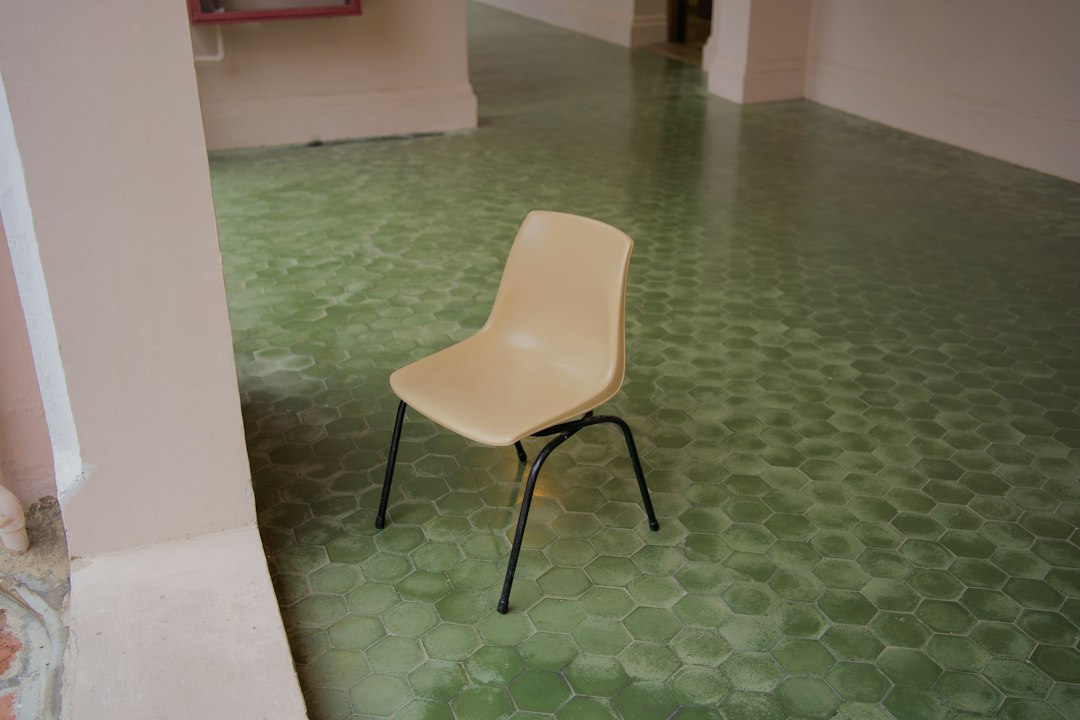
A white chair sitting on top of a green floor in Allen, TX

Most rehearsal rooms in America are garages, and most of those garages sit on a bare concrete slab nobody has ever thought about for longer than a minute. The ceiling gets foam. The walls get moving blankets, bookshelves, sometimes a real panel and a bass trap in the corner. The floor gets a rug dragged in from a big box store, and then the band spends a year wondering why the kick drum sounds different week to week, why the mixer faders feel gritty by March, and why the hi-hat stand keeps walking.

The floor is roughly a sixth of a room's surface area and the only surface every single piece of gear touches. Sealing it changes the acoustics less than people hope and changes everything else more than they expect, which is backwards from what most players assume when they start pricing resin.

Garage conversions are common in the newer subdivisions around Allen, north of Dallas, where three car bays and nine foot ceilings came standard and the third bay was never going to hold a third car. A resin floor in that space is usually one of two families: a traditional epoxy build, or a faster curing polyaspartic coating that lets a room go back into service in a day or two rather than most of a week. Which one a crew recommends depends on the slab, the season and how long the room can sit empty, and that last question matters more for a music room than for a car bay, because a car can wait in the driveway and a drum kit cannot wait in the yard.

What a bare slab is actually doing to your room

Concrete is porous, alkaline and permanently slightly damp. Three things follow from that, and all three land on musicians harder than on anyone else using a garage.

It dusts. Cement surfaces give off a fine alkaline powder constantly, worse where chair legs, kick pedals and cymbal stand spurs grind at it. That powder is abrasive and conductive enough to matter. It ends up in fader tracks, under pot shafts, inside open frame tube amps and on speaker cone surrounds. A rug does not stop it, it simply holds the dust at ankle height and releases it when somebody walks across.

It passes vapor. A slab on grade in Collin County clay sits above soil that holds water for weeks after a storm, and moisture moves up through concrete whether or not there is a barrier beneath it. An unsealed slab is a humidifier running at a slow, unmeasured rate, which is the real reason acoustic guitars kept in a converted garage misbehave seasonally.

It gets cold and wet. The slab stays near ground temperature year round. In a humid Texas August, when the overhead door opens and warm wet air meets a slab sitting in the seventies, the floor sweats. Anything resting flat on it, a road case, a rubber mat, a pedalboard left overnight, collects condensation underneath.

Sealing it is a gear decision before it is a sound decision

The biggest practical gain from coating a rehearsal room floor has nothing to do with tone. It is that the room stops producing dust and stops breathing moisture into the air at the floor plane. A properly prepped and coated slab is a closed surface. You can damp mop it. You can find a dropped screw on it. Gear stops wearing out from the bottom up.

The second gain is that hard, flat and predictable is what isolation hardware is designed to sit on. Every riser pad, every amp platform, every set of rubber feet assumes a surface that is not crumbling. On raw concrete the contact patch is loose grit, and the pad slowly grinds a crater for itself.

Reflections, and the rug myth

Here is the part that disappoints people. A smooth resin floor is acoustically live, and so is bare concrete, and the difference between them is small. Coating a floor does not make a room sound worse in any way you can reliably hear, and it does not make it sound better either. A flake or quartz broadcast finish scatters high frequencies slightly more than a glass smooth gloss, but at the wavelengths that cause problems in a twenty by twenty room, both read as a hard reflective plane.

What does change a room is where the soft material goes. Carpet across the whole floor absorbs the top two octaves and almost nothing below, leaving the low mid boom completely intact while killing the air off the cymbals and the top end of the room mics. Bands who carpet a garage usually describe the result as dead and boxy at the same time, which is exactly what it is.

The better approach in a coated room is targeted. An area rug under the kit only, to tame the slap between slab and ceiling deck and to stop the bass drum creeping. A second rug or a dense pad under the amp line. Then spend the real money on a ceiling cloud and the corners, where the problem frequencies live. A sealed floor makes that easier to tune, because rugs on a smooth surface can be lifted and tried somewhere else in seconds.

Structure-borne energy is its own problem

No coating isolates anything. A film measured in thousandths of an inch is rigidly bonded to the slab, so for the purposes of vibration the coating and the concrete are one object. If the kick drum and the bass cabinet couple into the slab now, they will couple into it afterwards, and the neighbors two doors down will still hear it on a still night, because soil carries low frequency energy beautifully.

Isolation has to be mechanical and deliberate. A drum riser built as a sandbox or a sprung platform decouples the kit from the slab. A bass cabinet lifted on a dense foam or spring platform stops exciting the floor and usually gets tighter in the bargain, since it is no longer dumping energy into a slab that returns it late. A sealed floor helps only in that these devices sit flat and stay put, and you can mark their positions and get them back exactly where they belong after a gig.

Gear is a point load problem

Resin floors are very hard and very thin, and they fail in two different ways depending on what is standing on them.

Scratching comes from dragging: flight case corners, amp casters with grit in the wheel, tripod feet pulled sideways, a kick pedal clamp slid rather than lifted. The fix is unglamorous. Casters cleaned and sized properly, felt or rubber cups under anything that lives in one spot, and a habit of lifting.

Denting and chipping come from concentrated weight. An upright piano, a tonewheel organ, a cast iron Leslie, a loaded rack, a stack of road cases on a dolly with small hard wheels. Those do not scratch, they punch. Load spreaders solve it: plywood pads under piano casters, larger diameter cart wheels, and a word to the installer during the quote that this room will carry a piano, because that can change the recommended film build.

Drum hardware deserves its own line. Cymbal and hi-hat spurs, and the spikes on a kick drum, will mark almost any coating if they are allowed to bite. A rubber backed drum rug, or a dedicated board under the kit, handles it and stops the kit walking at the same time.

The spills a rehearsal room has that a garage does not

A workshop floor sees oil and brake cleaner. A music room sees a different list, and it is worth telling whoever quotes the job: isopropyl and contact cleaner sprayed freely into jacks and pots, solder flux remover at the bench, mildly abrasive chrome and cymbal polish, and fog fluid, which is glycol based and makes a hard floor genuinely dangerous underfoot until it is cleaned.

Most quality topcoats shrug all of that off with a prompt wipe. Prompt is the operative word. The one to respect is a strong solvent left standing in a puddle for hours, which can soften a film given enough contact time.

Humidity, the slab and the instruments in the room

A sealed floor substantially reduces vapor coming up through the concrete, which pulls floor level humidity closer to whatever the rest of the house is doing. That is good for every wooden instrument stored out there, and it is one of the few genuine arguments for coating a room that is only ever used for music.

It is not a substitute for conditioning the space. A garage in Allen can swing forty degrees in a spring day, and no floor treatment touches that. Instruments that live in the room year round still want a small dehumidifier in summer, a humidifier in the dead of winter, and a hygrometer somebody actually reads. The coating removes one uncontrolled variable so the others become measurable.

One side effect worth knowing. Because the slab is sealed, water that lands on it stays on top of it. That is excellent for stains and a hazard for footing, since wet resin is slippery. Any room where a drink gets knocked over mid set should get an anti-slip aggregate worked into the topcoat. It costs little during install and cannot be added later without recoating.

Cable runs, load-in and the door

Gaffer tape lifts cleanly off a fully cured resin floor, which is a quiet advantage over sealed plywood or raw concrete. Duct tape does not, and neither does anything aggressive applied to a coating still curing. Give a new floor its full cure before taping cable runs to it.

Then the threshold. Rolling heavy cases in and out means crossing the lip at the overhead door several times a night, and a resin floor cannot be feathered to a thin edge at a transition. A proper installation terminates in a saw cut groove at the door line so the edge is anchored. Ask how that edge will be handled before the crew starts, because a chipped threshold is the first thing to go in a room with a weekly load-in.

Order of operations

Coat the floor first, before the room is treated and before the gear comes back. Prep is mechanical and dusty, usually a diamond grind, and that dust gets into everything left in the space, so the room needs to be genuinely empty rather than covered with a tarp. Speakers, tube amps and anything with open vents belong out of the building, not pushed to the far wall.

Then respect the cure. Foot traffic returns well before full chemical cure, and heavy point loads should wait for the number the installer gives rather than an estimate. Rolling a piano in two days early is how a new floor gets its first permanent mark.

Build the acoustic treatment after the floor has cured and the gear is back in position, because a room's sound depends on where things end up standing, and a hard floor keeps everything movable. That is the real reason to seal a rehearsal room: not because resin sounds good, but because a clean, dry, predictable floor lets you solve the sound problems that are actually there.
1 July 2026

What Happens on Epoxy Install Day, Step by Step

Grinding a concrete garage slab before an epoxy coating in Allen, TX

People often picture epoxy as a job where someone shows up and rolls paint on the garage floor. The real day looks nothing like that. A good coating is a sequence of steps, and each one has to finish before the next begins. Here is how a bare slab in an Allen garage becomes a finished floor, in the order it actually happens.

Step One: Grinding the Slab

Before any resin comes out, we run a planetary diamond grinder across the whole floor. This opens the smooth, sealed top of the concrete to a rougher texture called a concrete surface profile, usually a CSP 2 or 3. That profile is what the coating grabs onto. We pull the dust straight off the grinder into a HEPA vacuum, so the silica does not end up on your shelves or drifting toward the house. If you want the full breakdown of a home garage system, our garage floor epoxy page covers it.

Step Two: Repairs and a Moisture Check

With the slab ground, every crack and pit is visible. We chase the cracks with a grinder blade, fill them, and patch any spalled spots so the surface is sound. We also confirm the concrete is dry enough to coat. If a slab is pushing moisture vapor up from below, a coating can blister later, so a high reading means we add a moisture-mitigation primer first rather than gamble on it.

Step Three: The Base Coat and Flake

Now the color goes down. We roll and back-roll a pigmented base coat across the floor, working in sections so nothing sets before we reach it. While that base is still wet, we broadcast vinyl color flakes by hand, throwing them up so they fall flat and cover the surface to rejection. By the end of this step the concrete has disappeared under chips.

Step Four: Scrape, Vacuum, and Topcoat

After the base cures, the floor feels rough because loose flake stands up off the surface. We scrape it smooth and vacuum again, then seal everything with a clear topcoat. On a one-day system that clear is a polyaspartic, which cures fast and resists yellowing. This layer is what gives the floor its gloss and its resistance to hot tires and cleaning.

Step Five: Cure and Handoff

The last step is patience. You can usually walk on the floor the same evening, but we ask you to wait a day or two before parking a vehicle back on it so the coating fully hardens. Then the garage is yours again, easier to sweep and a lot better looking than the slab you started with.

That is the whole rhythm, from grinding day to final topcoat. If you want us to walk your slab and lay out the steps for your floor, contact us or call Bridgemusicmagazine at (214) 702-5900 for a free estimate in Allen.

Bridgemusicmagazine provides epoxy flooring in Allen, TX, and every floor we finish follows the same disciplined sequence. We install garage floor epoxy coatings, metallic epoxy floors, polyaspartic and polyurea systems, epoxy flake broadcast finishes, epoxy mortar and self-leveling overlays, and full concrete surface prep and repair. That order matters, because a coating is only as good as the slab under it. Most of the garages we coat sit in neighborhoods like Twin Creeks and Watters Crossing, off roads such as Stacy Road and Exchange Parkway inside the 75013 ZIP.

The work starts with a walkthrough, not a bucket of resin. We check the concrete for moisture, hairline cracks, and old coatings, then map out the exact steps your floor needs. On grinding day, a planetary diamond grinder opens the surface to the concrete surface profile the manufacturer calls for, usually a CSP 2 or 3. Dust is captured at the tool with a HEPA vacuum, so your garage near Bethany Drive does not end up coated in silica. Only once the profile is right and the cracks are chased and filled do we open the first pail of primer.

Install day has a rhythm you can watch unfold. We roll and back-roll a pigmented base coat, then broadcast vinyl color flakes to rejection so the whole surface disappears under chips. After the base cures, we scrape the loose flake, vacuum again, and lock everything down with a clear polyaspartic or polyurethane topcoat. A standard flake floor is a two-visit job; a polyaspartic one-day system can be walked on that evening and parked on within a day or two. Either way you get a seamless surface that shrugs off hot-tire pickup, road salt, and the odd dropped wrench.

Bridgemusicmagazine works across Allen and the surrounding Collin County towns, including Fairview just south on Stacy Road, plus McKinney, Plano, and Frisco. A finished epoxy floor is one of the upgrades buyers notice the moment the garage door rolls up, and it is the kind of concrete work that either lasts fifteen years or peels in two, depending entirely on the prep. We would rather grind an extra pass than watch a floor delaminate. Call the number on this page and we will measure your slab, talk through flake colors or a metallic pour, and hand you a real number in writing.

  • Prep before productDiamond grinding to the right CSP profile, crack chasing, and a moisture check come before any resin touches the slab.
  • You see the stepsGrinding day, base coat, flake broadcast, and topcoat happen in a set order, and we tell you what to expect on each visit.
  • One-day optionPolyaspartic and polyurea systems cure fast, so a garage ground in the morning can be finished the same day.
  • Clear written estimatesThe price we quote after measuring is the price you pay, itemized before we open a single pail.
  • Process Questions Homeowners Ask

    Why do you grind the concrete before coating?
    Grinding opens the slab to the concrete surface profile the coating needs to bond. Skipping it is the main reason cheap epoxy peels. A planetary diamond grinder gives us a CSP 2 to 3, and we vacuum the dust at the tool as we go.
    How long does the whole process take?
    A standard flake floor is a two-visit job over a couple of days, since the base coat has to cure before the topcoat. A polyaspartic one-day system is ground and finished in a single day and ready to walk on that evening.
    When can I park on the new floor?
    You can usually walk on it the same evening with a fast-curing topcoat. We ask you to wait to roll a vehicle back on until the coating has fully cured, generally around 24 to 72 hours depending on the system and the temperature in the garage.
    What is the difference between epoxy and polyaspartic?
    Epoxy makes a hard, thick base coat but can amber in sunlight. Polyaspartic cures in hours and resists UV yellowing, so we often use an epoxy or polyurea base with a polyaspartic clear for the best of both.
    Do I need a moisture test first?
    If a slab pushes moisture vapor up through the concrete, a coating can blister. We check for it, and if a calcium chloride or relative humidity test comes back high, we add a moisture-mitigation primer before the base coat rather than gamble on it.
    Which Allen areas do you serve?
    We coat floors across Allen in the 75002 and 75013 ZIP codes, plus Fairview, McKinney, Plano, Frisco, Lucas, Parker, and Wylie. Call the number on the site if you are just outside and we will confirm.

    Floors We Pour and Coat

    One local crew for garage slabs, decorative pours, and commercial floors, each built on properly prepped concrete.

    Garage Floor Epoxy Coatings

    Multi-coat resinous systems over a ground and primed garage slab: primer, pigmented base, flake broadcast, and a clear topcoat rated for hot-tire pickup and automotive fluids.

    Metallic Epoxy Floors

    Decorative pours using metallic mica pigments worked with solvent and torch for a marbled, three-dimensional finish, then sealed with a high-gloss polyurethane clear.

    Polyaspartic and Polyurea Coatings

    Fast-curing aliphatic systems installed as a one-day floor. They resist UV yellowing and work as a topcoat over epoxy or as a standalone flake system.

    Epoxy Flake Broadcast Systems

    A pigmented base coat with vinyl color flakes broadcast to rejection, then sealed. It adds slip resistance and hides minor slab imperfections, the standard garage and basement finish.

    Commercial and Industrial Floors

    Heavy-duty coatings and self-leveling epoxy mortar for shops, warehouses, and light manufacturing, engineered for forklift traffic and chemical exposure.

    Concrete Prep, Repair, and Recoat

    Diamond grinding or shot blasting for the correct surface profile, plus crack filling, spall patching, and stripping or recoating failed and peeling coatings.

    Where We Work Around Allen

    We coat floors throughout Allen and the surrounding Collin County communities, from the neighborhoods off Exchange Parkway to the nearby suburbs north and south.

    • Allen, TX (75002, 75013)
    • Fairview, TX
    • McKinney, TX
    • Plano, TX
    • Frisco, TX
    • Lucas, TX
    • Parker, TX
    • Wylie, TX

    Not sure if we reach your street? Call (214) 702-5900 and we will let you know.

    Budgeting for Your Project

    Epoxy pricing tracks the system you choose and the square footage of the slab. A basic roll-on sits at the bottom, a full flake system is the popular middle, and a metallic pour with a polyaspartic topcoat runs higher for the labor and finish. Moisture mitigation is added only if the slab fails a calcium chloride or relative humidity test. The ranges below are typical for the Allen area, and we put the firm number in writing after we measure and check the concrete.

    Standard flake garage$5 to $8 per sq ft installedFull-flake polyaspartic$7 to $12 per sq ft installedMetallic epoxy$8 to $15 per sq ft installed
    • Ground, primed, and flaked
    • Sealed for hot-tire resistance
    Get estimate
    • Broadcast to rejection
    • UV-stable, one-day install
    Get estimate
    • Marbled decorative finish
    • High-gloss urethane topcoat
    Get estimate

    Schedule Your Walkthrough

    Ready to turn a dusty slab into a finished floor? We will come measure the garage, check the concrete for moisture and cracks, walk you through flake colors or a metallic pour, and give you a clear written estimate with no pressure. Most Allen garages are ground and coated in a day or two once we start.

    Call (214) 702-5900

    ↑